











Integrity builds quality, and quality wins the market.
Promoting green agricultural development through technological innovation.
Categories List
MESSAGE
If you have any questions, please contact us and we will contact you as soon as possible.
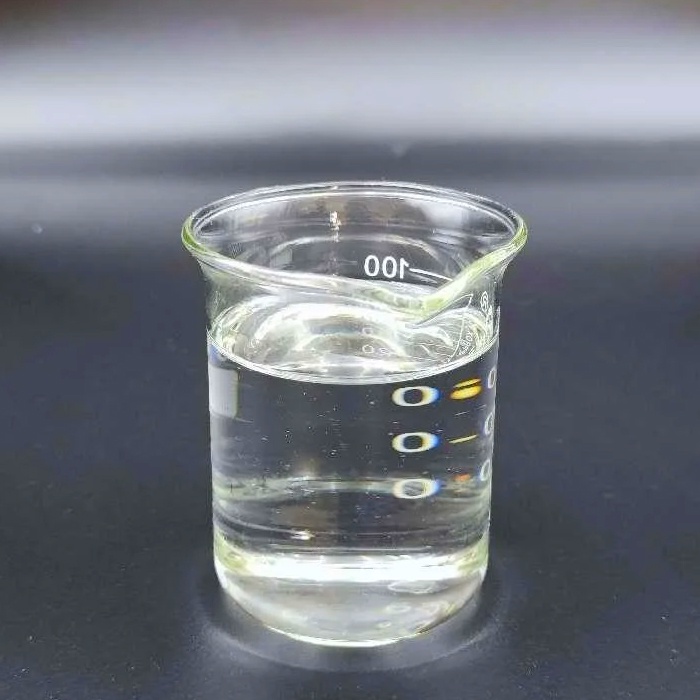
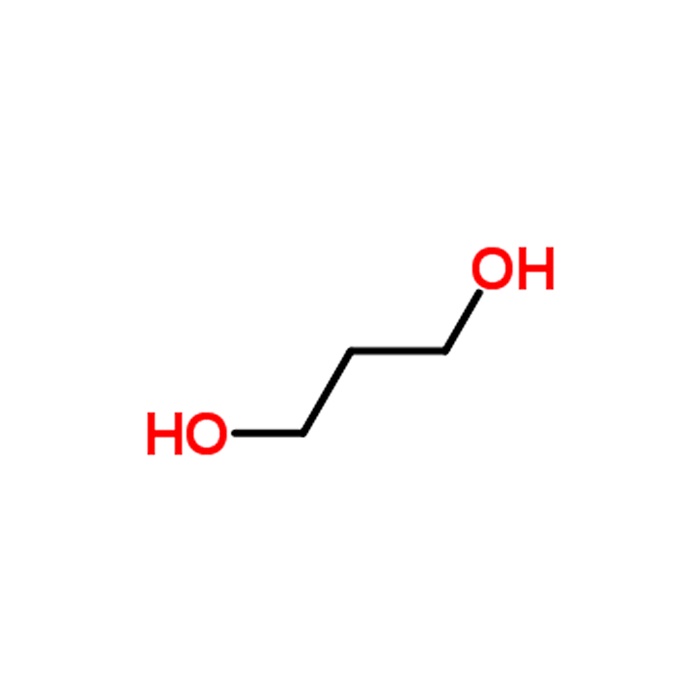
Molecular Formula: C3H8O2
Molecular Weight: 76.09
Product Introduction
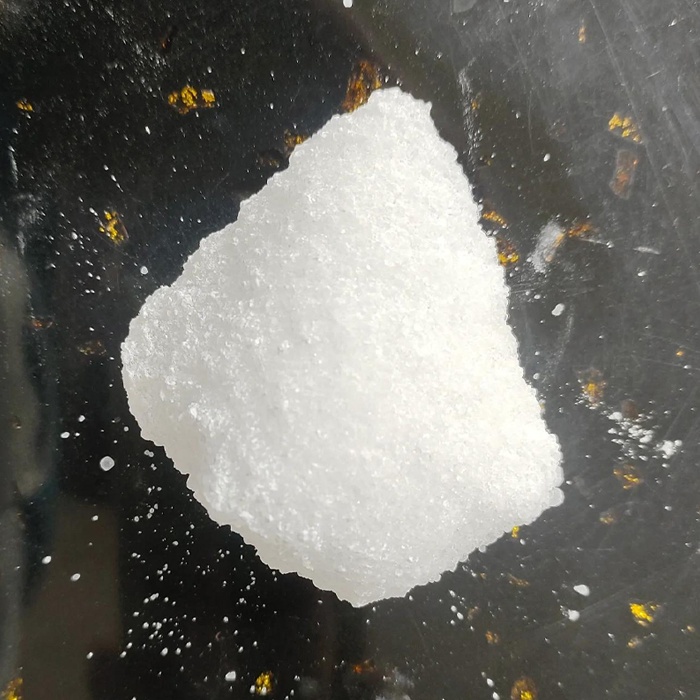
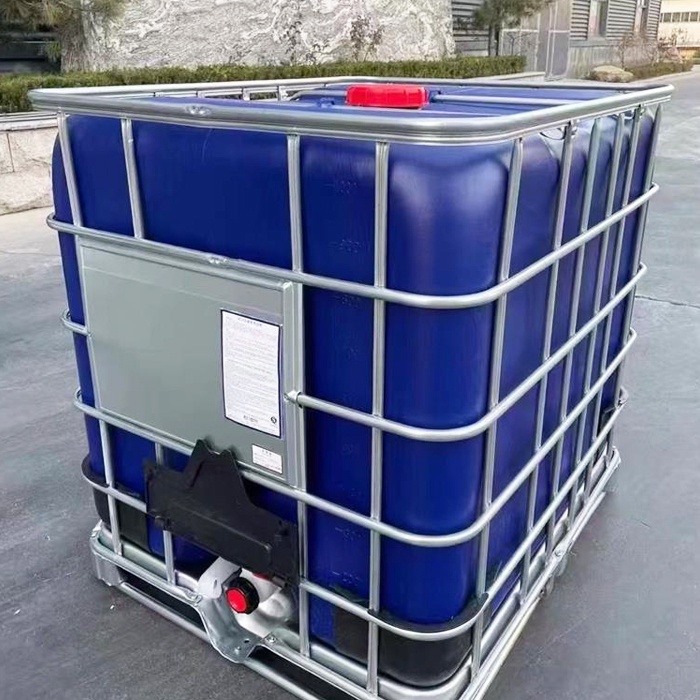
1,3-Propanediol, also known as 1,3-dihydroxypropane, is an organic compound with the chemical formula C₃H₈O₂ and CAS number 504-63-2. At room temperature, it appears as a colorless, transparent, viscous liquid with a melting point of -27°C, a boiling point of 210~211°C, and a density of 1.05 g/cm³. It is miscible with water, ethanol, and ether. This substance is primarily used in the synthesis of polytrimethylene terephthalate (PTT), pharmaceutical intermediates, and antioxidants, and serves as a humectant and solvent in cosmetics.
CHEMICAL PROPERTIES
SAFETY INFORMATION
PRODUCT USAGE
As a diol, 1,3-propanediol is subject to many of the same polymeric applications as other low molecular mass diols (e.g., ethylene glycol, propylene glycol, and 1,4-butanediol). However, its relatively high price limits its use to applications requiring very specific performance characteristics. It is a raw-material source for 1,3-dioxanes. 1,3-Propanediol-bis(4-aminobenzoate) can be used as a chain extender in polyurethane elastomers. This bisbenzoate, which can also be synthesized from 1,3-dichloro-propane, finds other applications as a cross-linking agent in epoxy formulations and as a rubber additive.
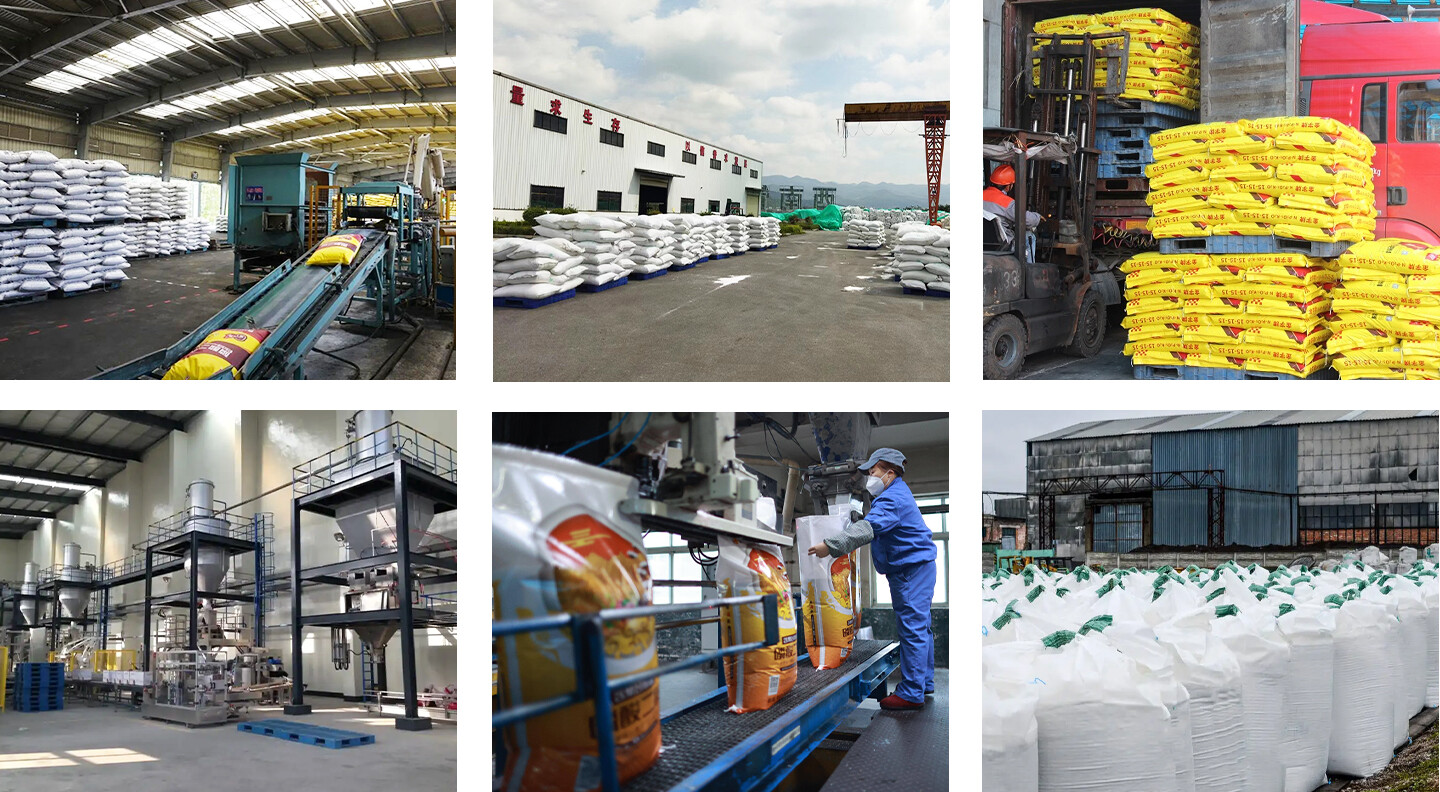
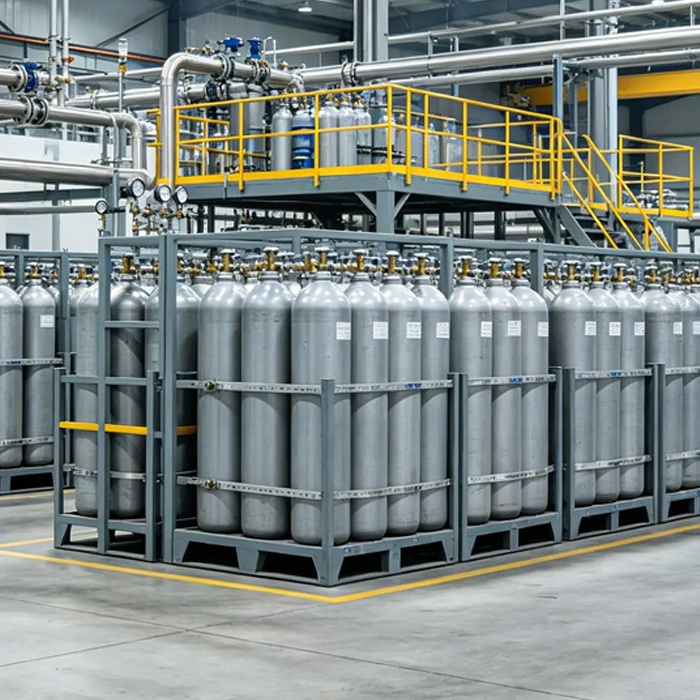
Factory Showcase
FAQ
Q: Are you a factory or a trading company?
A: We are a company integrating manufacturing and trading.
Q: Can you provide samples for testing before mass production?
A: Of course. We can send you samples free of charge, and we also include a COA. However, you will be responsible for the shipping fee.
Q: How can I get an accurate quote?
A: Please provide the exact product specifications, particle size, color, and intended use, and we will provide you with an accurate quote.
Q: Can you provide a COA?
A: Of course, but only for standard products. If you require an accurate COA, we will produce and test samples before providing you with an accurate COA.
Q: Do you accept ODM or OEM services?
A: Yes, we offer customized services for ingredients, packaging, and labeling. We have strong design capabilities. Please contact us to design your own brand.
Q: Can I visit your factory before placing a large order?
A: Of course. We welcome you at any time.
Q: What is the loading port?
A: Usually Qingdao or Tianjin.
Message
What are you lookking for?