











Integrity builds quality, and quality wins the market.
Promoting green agricultural development through technological innovation.
Categories List
MESSAGE
If you have any questions, please contact us and we will contact you as soon as possible.
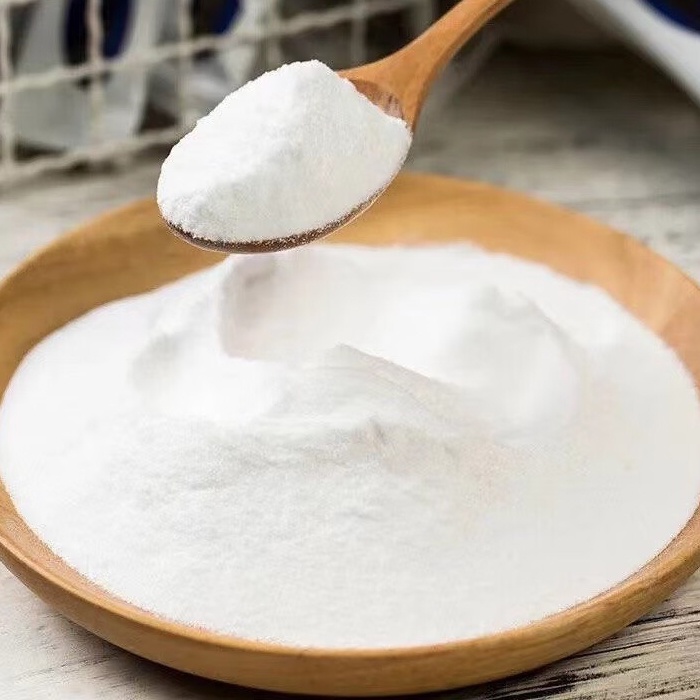
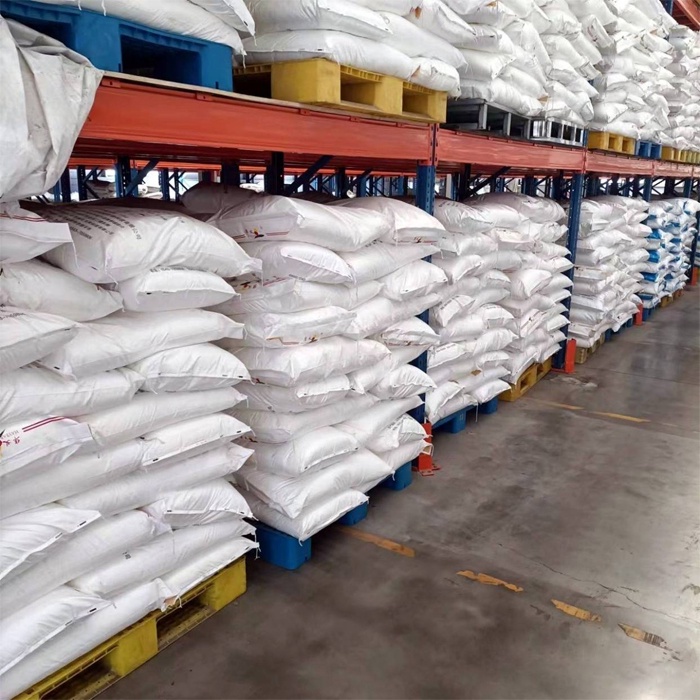
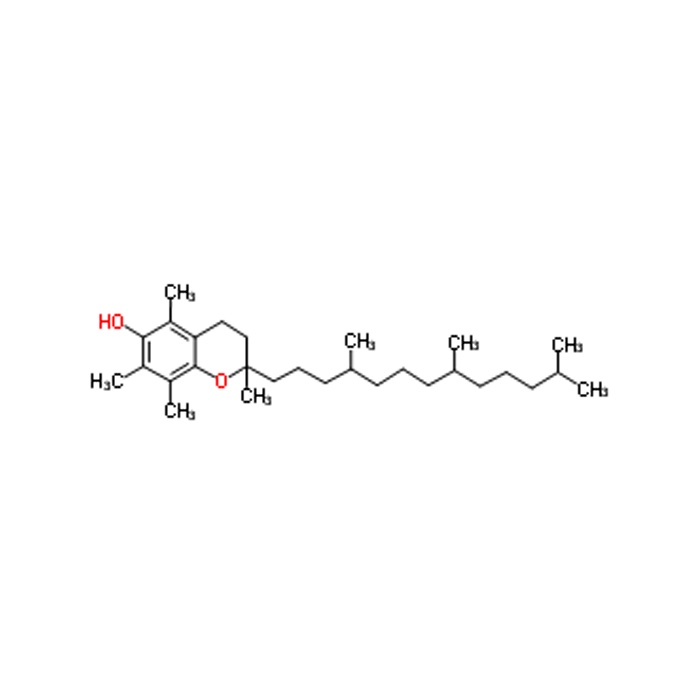
Molecular Formula: C6H12O6
Molecular Weight: 180.16
Product Introduction
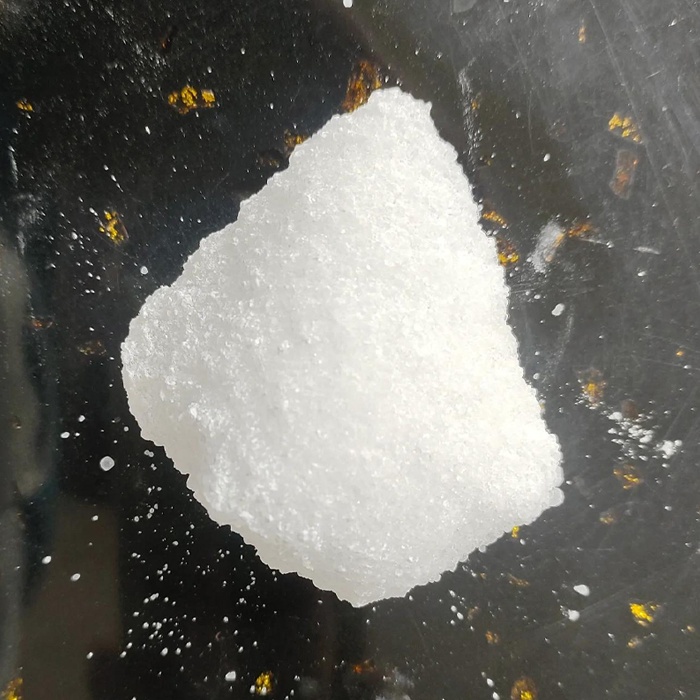
D(+)-glucose ,a short form of dextrorotatory glucose, is a stereoisomer of glucose molecule, which is biologically active and whose bottom chiral carbon has its hydroxyl group (OH) located spatially to the right. Its molecule can exist in an open-chain (acyclic) and ring (cyclic) form and has two isomers α- and β-. It is the main source of energy in the form of ATP for living organisms. It is naturally occurring and is found in fruits and other parts of plants in its free state. In animals, it arises from the breakdown of glycogen in a process known as glycogenolysis.
CHEMICAL PROPERTIES
SAFETY INFORMATION
PRODUCT USAGE
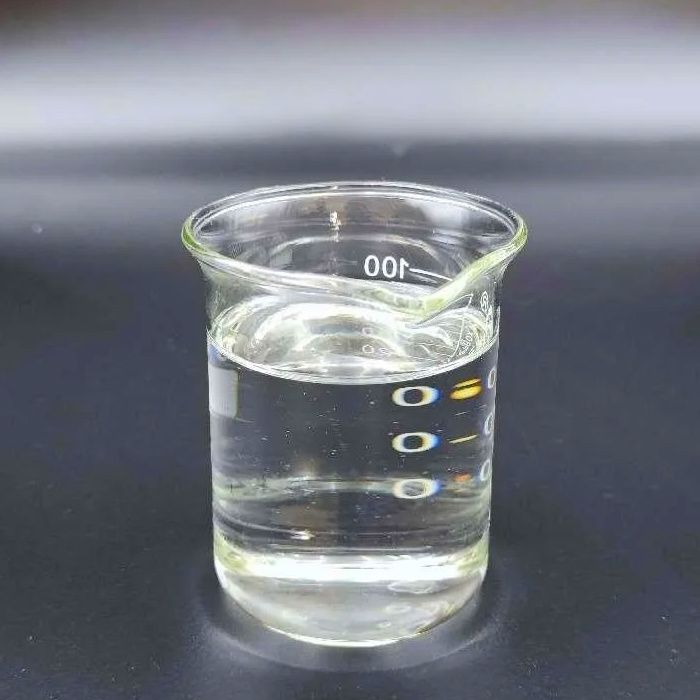
In addition, it is used therapeutically in fluid and nutrient replacement, such as glucose syrup and glucose powder. It can be obtained by enzymatic cleavage of starch, so there are multiple sources like sugar cane, sugar beet, corn (corn syrup), potatoes and wheat. Today, large-scale starch hydrolysis is used to produce glucose.
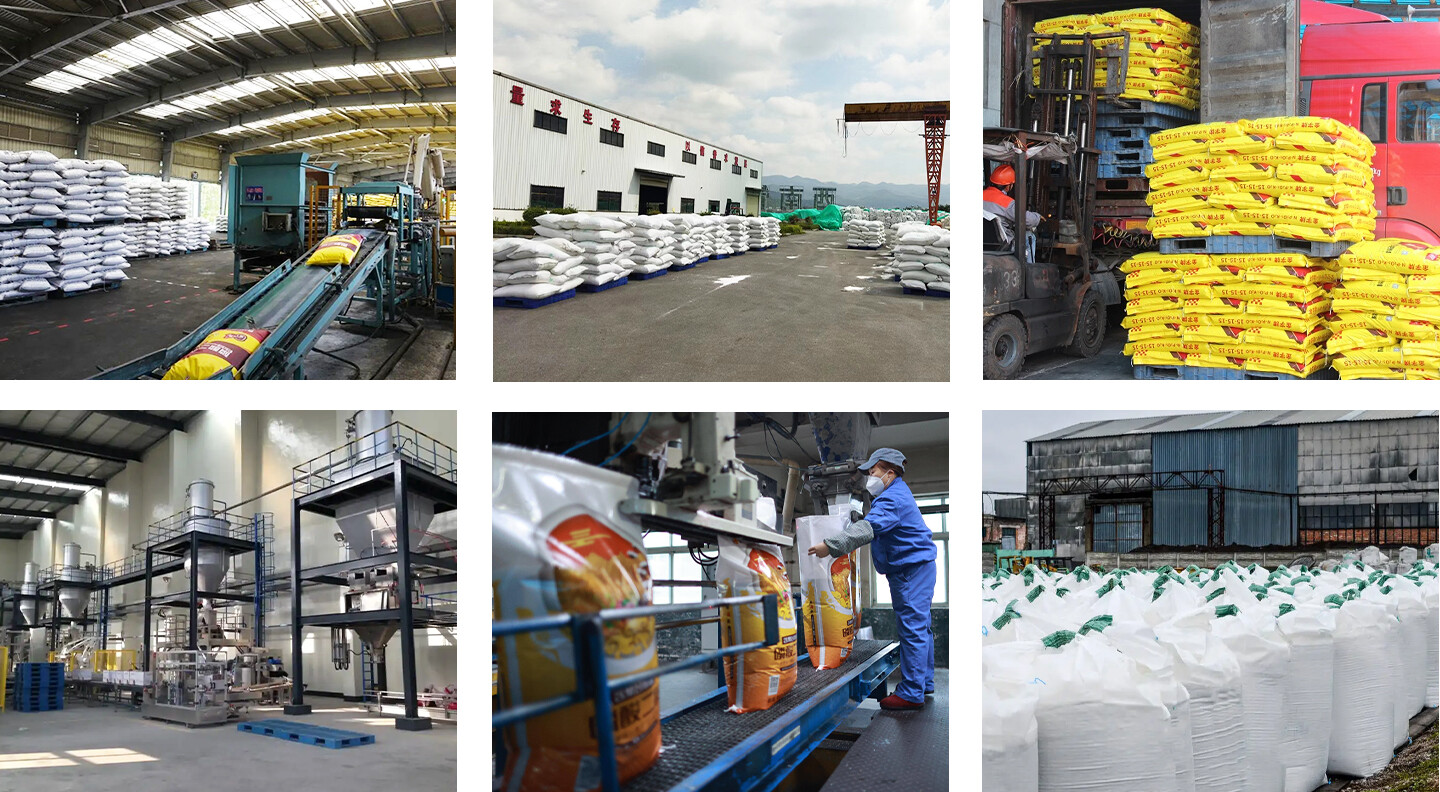
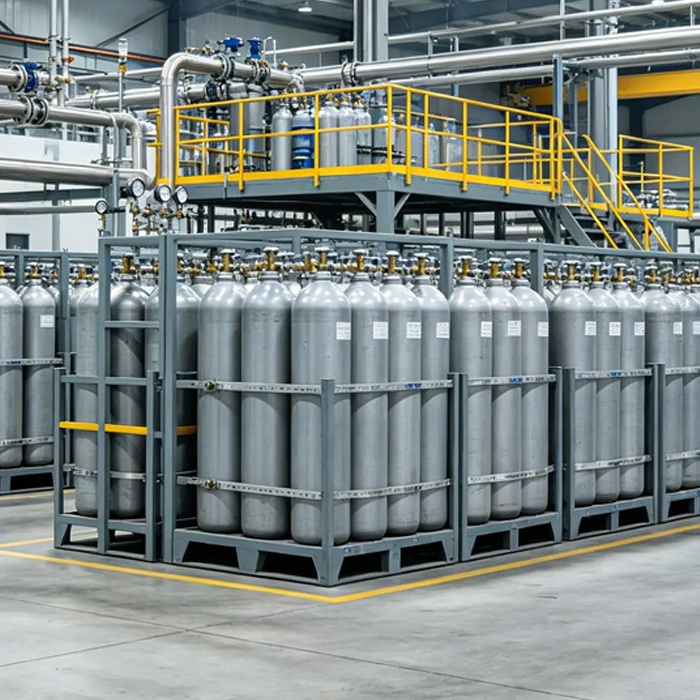
Factory Showcase
FAQ
Q: Are you a factory or a trading company?
A: We are a company integrating manufacturing and trading.
Q: Can you provide samples for testing before mass production?
A: Of course. We can send you samples free of charge, and we also include a COA. However, you will be responsible for the shipping fee.
Q: How can I get an accurate quote?
A: Please provide the exact product specifications, particle size, color, and intended use, and we will provide you with an accurate quote.
Q: Can you provide a COA?
A: Of course, but only for standard products. If you require an accurate COA, we will produce and test samples before providing you with an accurate COA.
Q: Do you accept ODM or OEM services?
A: Yes, we offer customized services for ingredients, packaging, and labeling. We have strong design capabilities. Please contact us to design your own brand.
Q: Can I visit your factory before placing a large order?
A: Of course. We welcome you at any time.
Q: What is the loading port?
A: Usually Qingdao or Tianjin.
Message
What are you lookking for?