











Integrity builds quality, and quality wins the market.
Promoting green agricultural development through technological innovation.
Categories List
MESSAGE
If you have any questions, please contact us and we will contact you as soon as possible.
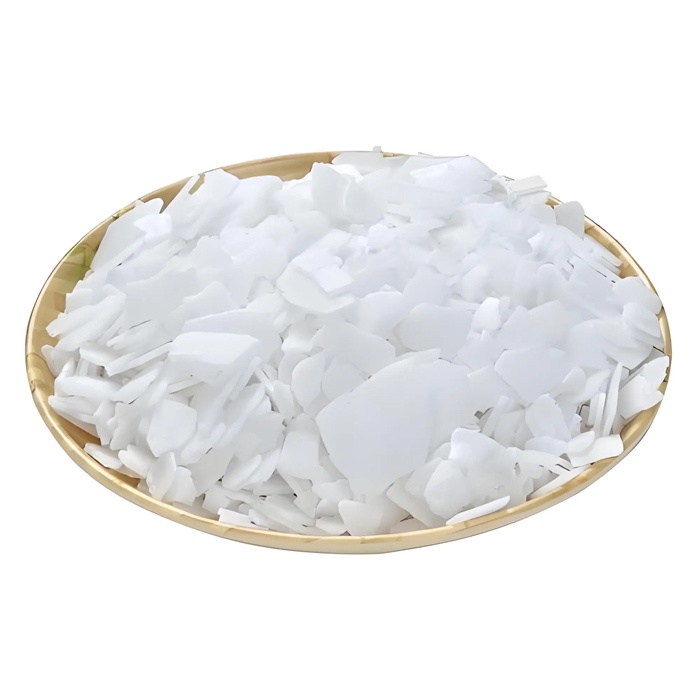
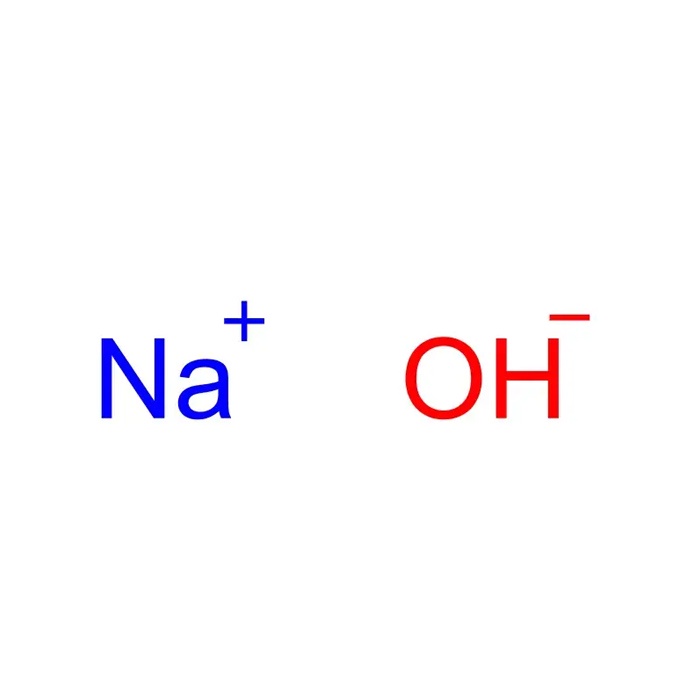
Molecular Formula: NaOH
Molecular Weight: 39.99711
Product Introduction
Sodium hydroxide, also known as caustic soda, has the chemical formula NaOH. It is a highly corrosive strong alkali, typically appearing as white flakes or granules. It readily mixes with water to form an alkaline solution and is also soluble in methanol and ethanol. Being deliquescent, it absorbs moisture from the air as well as acidic gases like carbon dioxide. Sodium hydroxide is one of the most widely used chemicals, essential in many industrial processes, including the production of paper pulp, textiles, soap, and other cleaning agents. It is also commonly used in household alkaline drain cleaners.
CHEMICAL PROPERTIES
SAFETY INFORMATION
PRODUCT USAGE
Sodium hydroxide has a broad range of applications. In chemical experiments, it serves not only as a reagent but also as an alkaline desiccant due to its strong hygroscopic properties. Caustic soda plays a vital role in the national economy, with numerous industrial sectors relying on it. The largest consumer is the chemical manufacturing industry, followed by paper production, aluminum and tungsten smelting, viscose fiber manufacturing, and soap production. It is also used in the manufacture of dyes, plastics, pharmaceuticals, organic intermediates, reclaimed rubber, metal sodium electrolysis, water treatment, and inorganic salt production such as borax, chromium salts, manganates, and phosphates.
Industrial sodium hydroxide must meet the requirements of national standard GB209-2006;
Industrial ion-exchange membrane sodium hydroxide should comply with GB/T11199-89;
Sodium hydroxide for chemical fiber should meet GB11212-89;
Food-grade sodium hydroxide must conform to GB5175-85.
In industrial contexts, sodium hydroxide is commonly referred to as caustic soda, a name derived from its ability to cause severe skin burns upon contact with concentrated solutions. It dissolves proteins, making alkali burns slower to heal than acid burns. A 0.02% solution instilled into rabbit eyes can damage the corneal epithelium. Toxicity data include: mouse intraperitoneal LD50 of 40 mg/kg and rabbit oral LDLo of 500 mg/kg. Dust can irritate the eyes and respiratory tract, corrode the nasal septum, and damage skin—especially mucous membranes—producing soft scabs that may penetrate deeply and leave permanent scars.
Factory Showcase

FAQ
Q: Are you a factory or a trading company?
A: We are a company integrating manufacturing and trading.
Q: Can you provide samples for testing before mass production?
A: Of course. We can send you samples free of charge, and we also include a COA. However, you will be responsible for the shipping fee.
Q: How can I get an accurate quote?
A: Please provide the exact product specifications, particle size, color, and intended use, and we will provide you with an accurate quote.
Q: Can you provide a COA?
A: Of course, but only for standard products. If you require an accurate COA, we will produce and test samples before providing you with an accurate COA.
Q: Do you accept ODM or OEM services?
A: Yes, we offer customized services for ingredients, packaging, and labeling. We have strong design capabilities. Please contact us to design your own brand.
Q: Can I visit your factory before placing a large order?
A: Of course. We welcome you at any time.
Q: What is the loading port?
A: Usually Qingdao or Tianjin.
Message
What are you lookking for?