











Integrity builds quality, and quality wins the market.
Promoting green agricultural development through technological innovation.
Categories List
MESSAGE
If you have any questions, please contact us and we will contact you as soon as possible.
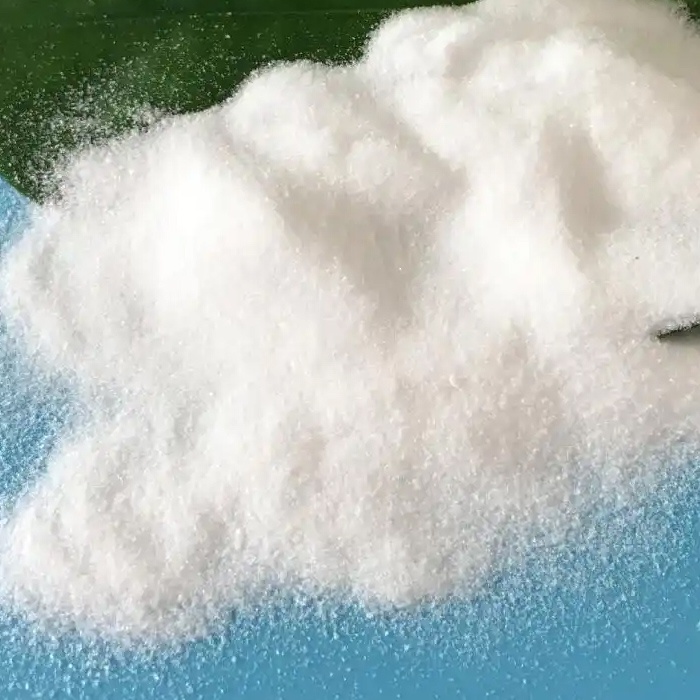
Molecular Formula: C6H6O
Molecular weight: 94.11
Product Introduction
Phenol is the easiest member of a classification of natural compounds possessing a hydroxyl team connected to a benzene ring or to a extra complicated fragrant ring system.
Also recognized as carbolic acid or monohydroxybenzene, phenol is a colorless to white crystalline fabric of candy odor, having the composition C6H5OH, bought from the distillation of coal tar and as a derivative of coke ovens.
Phenol has extensive biocidal properties, and dilute aqueous options have lengthy been used as an antiseptic. At greater concentrations, it motives extreme pores and skin burns; it is a violent systemic poison. It is a precious chemical uncooked cloth for the manufacturing of plastics, dyes, pharmaceuticals, syntans, and different products.
phenol crystal
Phenol melts at about 43°C and boils at 183°C. The pure grades have melting factor of 39°C, 39.5°C, and 40°C. The technical grades include 82%-84% and 90%-92% phenol. The crystallization factor is given as 40.41°C. The unique gravity is 1.066. It dissolves in most natural solvents. By melting the crystals and including water, liquid phenol is produced, which stays liquid at regular temperatures. Phenol has the uncommon property of penetrating residing tissues and forming a treasured antiseptic. It is additionally used industrially in reducing oils and compounds and in tanneries. The cost of different disinfectants and antiseptics is generally measured by means of evaluation with phenol.
CHEMICAL PROPERTIES
SAFETY INFORMATION
PRODUCT USAGE
Phenol, also known as carbolic acid, is a foundational aromatic organic compound and a vital building block for the global chemical industry. Its most significant application is in the production of bisphenol A (BPA) and phenolic resins, which are essential for manufacturing polycarbonates, epoxy resins, and adhesives used in construction and electronics. In the automotive and aerospace sectors, phenol-derived plastics are prized for their high thermal stability and mechanical strength. Furthermore, it serves as a critical intermediate for synthesizing caprolactam (for Nylon 6), salicylic acid (for aspirin), and various herbicides. Due to its potent antiseptic properties, it is also utilized in the pharmaceutical industry for manufacturing disinfectants and oral anesthetics.
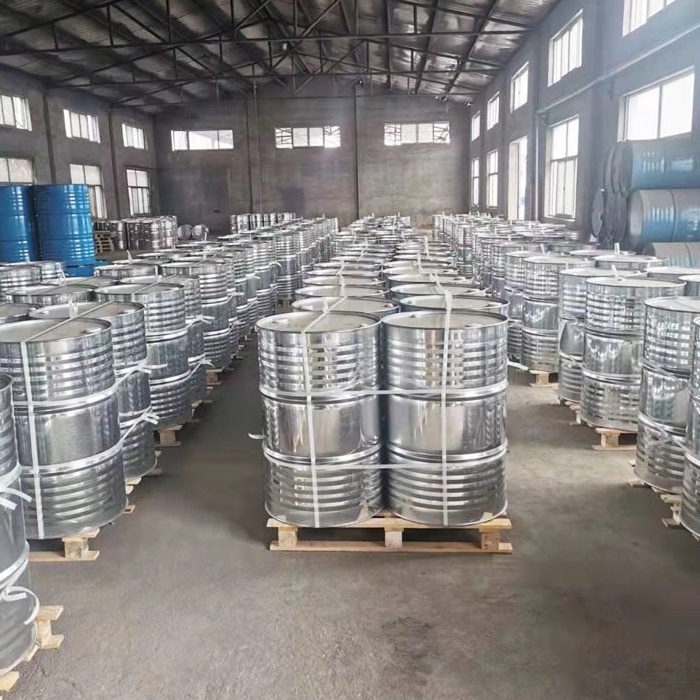
Factory Showcase

FAQ
Q: Are you a factory or a trading company?
A: We are a company integrating manufacturing and trading.
Q: Can you provide samples for testing before mass production?
A: Of course. We can send you samples free of charge, and we also include a COA. However, you will be responsible for the shipping fee.
Q: How can I get an accurate quote?
A: Please provide the exact product specifications, particle size, color, and intended use, and we will provide you with an accurate quote.
Q: Can you provide a COA?
A: Of course, but only for standard products. If you require an accurate COA, we will produce and test samples before providing you with an accurate COA.
Q: Do you accept ODM or OEM services?
A: Yes, we offer customized services for ingredients, packaging, and labeling. We have strong design capabilities. Please contact us to design your own brand.
Q: Can I visit your factory before placing a large order?
A: Of course. We welcome you at any time.
Q: What is the loading port?
A: Usually Qingdao or Tianjin.
Message
What are you lookking for?