











Integrity builds quality, and quality wins the market.
Promoting green agricultural development through technological innovation.
Categories List
MESSAGE
If you have any questions, please contact us and we will contact you as soon as possible.
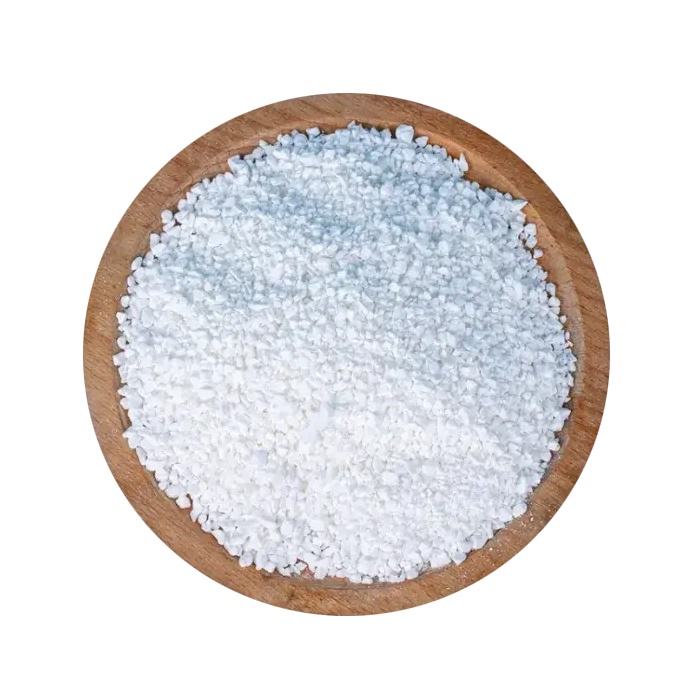
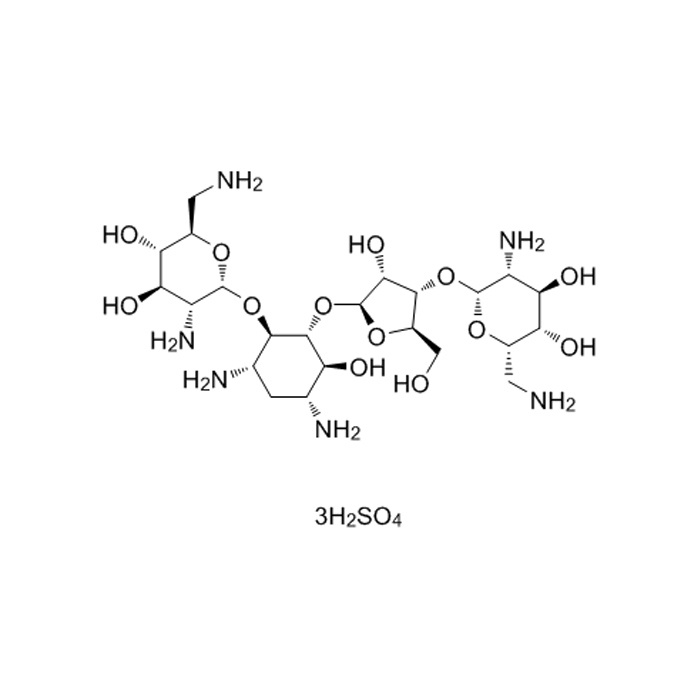
Molecular Formula: C23H48N6O17S
Molecular Weight: 712.72
Product Introduction
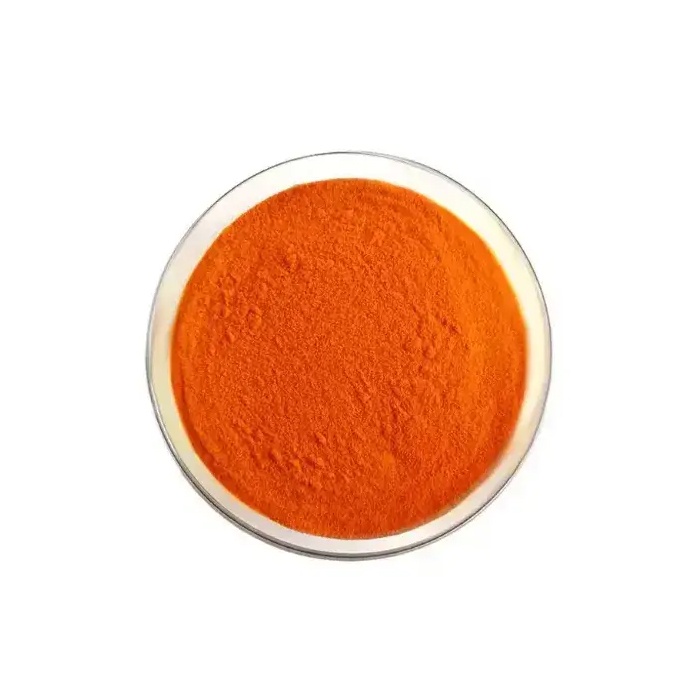
Neomycin sulfate is an aminoglycoside antibiotic and calcium channel protein inhibitor. Neomycin sulfate also binds to prokaryotic ribosomes inhibiting translation and is effective against gram-positive and gram-negative bacteria. Neomycin sulfate inhibits PLC (Phospholipase C) via binding to inositol phospholipids. It also inhibits phosphatidylcholine-PLD activity and induces Ca2+ mobilization and PLA2 activation in human platelets. Neomycin sulfate inhibits DNase I induced DNA degradation. It is used to prevent or treat skin infections caused by bacteria. It is not effective against fungal or viral infections.
CHEMICAL PROPERTIES
SAFETY INFORMATION
PRODUCT USAGE
Neomycin Sulfate is a broad-spectrum aminoglycoside antibiotic primarily used for its potent antibacterial activity against Gram-negative and some Gram-positive bacteria. In the pharmaceutical industry, its most common application is in topical formulations, including ointments, creams, and eye drops, to treat skin infections, wounds, and ocular inflammations. Due to its poor absorption in the digestive tract, it is also administered orally as an intestinal antiseptic to suppress bacterial flora before abdominal surgery or to manage hepatic encephalopathy. Furthermore, it is widely utilized in veterinary medicine to treat gastrointestinal infections in livestock and as a selective agent in molecular biology research to prevent microbial contamination in cell cultures.
Factory Showcase

FAQ
Q: Are you a factory or a trading company?
A: We are a company integrating manufacturing and trading.
Q: Can you provide samples for testing before mass production?
A: Of course. We can send you samples free of charge, and we also include a COA. However, you will be responsible for the shipping fee.
Q: How can I get an accurate quote?
A: Please provide the exact product specifications, particle size, color, and intended use, and we will provide you with an accurate quote.
Q: Can you provide a COA?
A: Of course, but only for standard products. If you require an accurate COA, we will produce and test samples before providing you with an accurate COA.
Q: Do you accept ODM or OEM services?
A: Yes, we offer customized services for ingredients, packaging, and labeling. We have strong design capabilities. Please contact us to design your own brand.
Q: Can I visit your factory before placing a large order?
A: Of course. We welcome you at any time.
Q: What is the loading port?
A: Usually Qingdao or Tianjin.
Message
What are you lookking for?