











Integrity builds quality, and quality wins the market.
Promoting green agricultural development through technological innovation.
Categories List
MESSAGE
If you have any questions, please contact us and we will contact you as soon as possible.
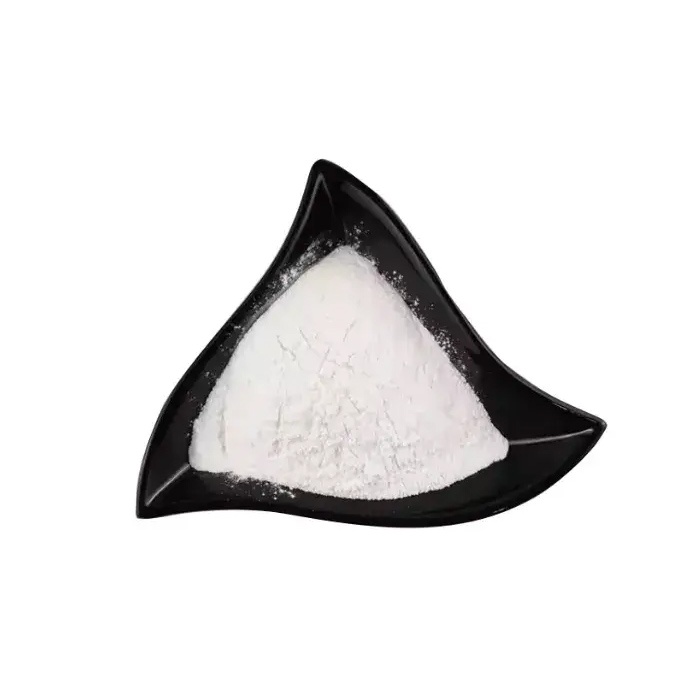
Molecular Formula: C5H9NO4
Molecular Weight: 147.13
Product Introduction
L-Glutamic acid has a very faint odor reminiscent of yeast or freshly baked bread and a mild, somewhat sweet, meat- like taste This is a naturally occurring amino acid of plant and animal proteins The average glutamic acid content of food proteins is 20%, expressed as glutamic acid per 100 g of the edible portions For a detailed description, see Burdock (1997).
CHEMICAL PROPERTIES
SAFETY INFORMATION
PRODUCT USAGE
L-Glutamic acid is a vital amino acid widely utilized as a multifunctional building block in the food, pharmaceutical, and chemical industries. Its most prominent application is in the food industry, where it serves as the primary raw material for producing Monosodium Glutamate (MSG), a world-renowned flavor enhancer that imparts the "umami" taste to processed foods and seasonings. In the pharmaceutical sector, it is used as a metabolic regulator to support brain function and treat hepatic coma. Furthermore, it is a key precursor for synthesizing biodegradable polymers like Poly-L-glutamic acid, which finds advanced applications in eco-friendly water treatment and sustainable packaging. In cosmetics, its derivatives are highly valued as mild, skin-friendly surfactants and moisturizing agents in premium personal care formulations.
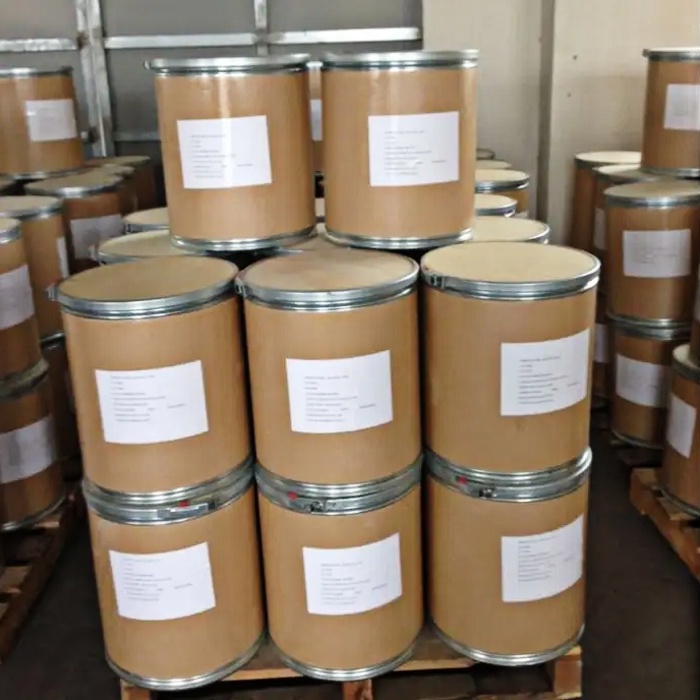
Factory Showcase

FAQ
Q: Are you a factory or a trading company?
A: We are a company integrating manufacturing and trading.
Q: Can you provide samples for testing before mass production?
A: Of course. We can send you samples free of charge, and we also include a COA. However, you will be responsible for the shipping fee.
Q: How can I get an accurate quote?
A: Please provide the exact product specifications, particle size, color, and intended use, and we will provide you with an accurate quote.
Q: Can you provide a COA?
A: Of course, but only for standard products. If you require an accurate COA, we will produce and test samples before providing you with an accurate COA.
Q: Do you accept ODM or OEM services?
A: Yes, we offer customized services for ingredients, packaging, and labeling. We have strong design capabilities. Please contact us to design your own brand.
Q: Can I visit your factory before placing a large order?
A: Of course. We welcome you at any time.
Q: What is the loading port?
A: Usually Qingdao or Tianjin.
Message
What are you lookking for?