











Integrity builds quality, and quality wins the market.
Promoting green agricultural development through technological innovation.
Categories List
MESSAGE
If you have any questions, please contact us and we will contact you as soon as possible.
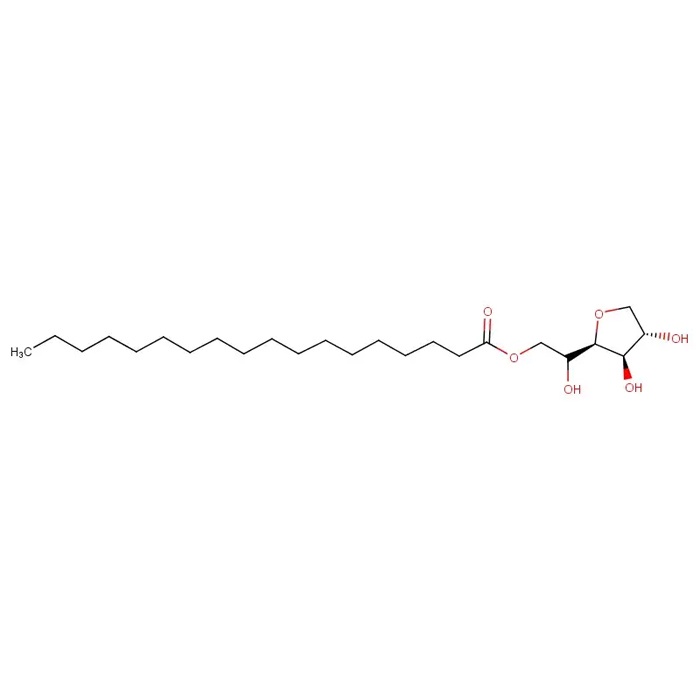
Molecular Formula: C24H46O6
Molecular Weight: 430.62
Product Introduction
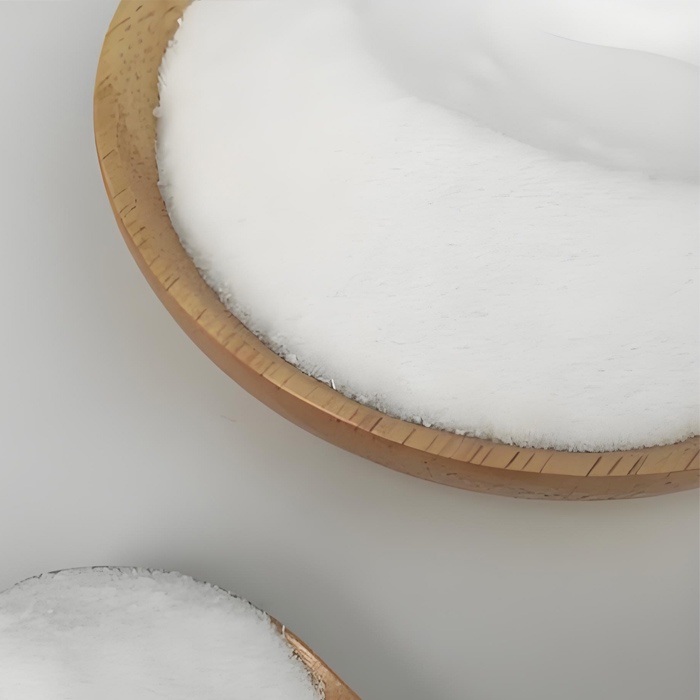
Sorbitan fatty acid esters, also known as Span, are an important class of nonionic surfactants. It appears as a white to yellowish-brown liquid, powder, thin sheet, granule or waxy block, and its properties vary depending on the type of fatty acid it constitutes.
CHEMICAL PROPERTIES
SAFETY INFORMATION
PRODUCT USAGE
Sorbitan Fatty Acid Esters are a class of nonionic surfactants widely used in food, cosmetics, pharmaceutical, and industrial applications. In the food industry, they function as emulsifiers and stabilizers to improve texture and consistency. In cosmetics, they are commonly used in creams and lotions to enhance smoothness and stability. They are also applied in plastics, textiles, and agrochemicals for dispersing, wetting, and emulsifying purposes. With good biocompatibility and safety, they are highly valued in various formulations.
Factory Showcase

FAQ
Q: Are you a factory or a trading company?
A: We are a company integrating manufacturing and trading.
Q: Can you provide samples for testing before mass production?
A: Of course. We can send you samples free of charge, and we also include a COA. However, you will be responsible for the shipping fee.
Q: How can I get an accurate quote?
A: Please provide the exact product specifications, particle size, color, and intended use, and we will provide you with an accurate quote.
Q: Can you provide a COA?
A: Of course, but only for standard products. If you require an accurate COA, we will produce and test samples before providing you with an accurate COA.
Q: Do you accept ODM or OEM services?
A: Yes, we offer customized services for ingredients, packaging, and labeling. We have strong design capabilities. Please contact us to design your own brand.
Q: Can I visit your factory before placing a large order?
A: Of course. We welcome you at any time.
Q: What is the loading port?
A: Usually Qingdao or Tianjin.
Message
What are you lookking for?